


In China, 鸡娃 (jī wá) — colloquially, ‘pumping your kid up’ — is shorthand for an obsessive middle-class parenting culture where every weekend activity must serve an educational purpose. Parents compete not just over tutoring programs and piano lessons, but over the most credible, impressive experiences they can offer their children. The more niche and intellectually rigorous, the better.
The latest entry on the list is interesting: Car factories. Xiaomi, NIO, Xpeng, BMW, and Volkswagen have all opened their production floors to public tours in China — and the demand has been extraordinary. Xiaomi’s lottery-based reservation system saw acceptance rates as low as 0.4%, with scalpers on secondhand platforms reselling spots for thousands of yuan. Parents are driving 60 kilometers in sub-zero temperatures, wishing to let their kids get a first-hand understanding of China’s latest high-tech developments. The factory floors are becoming new classrooms.
But behind the parental enthusiasm lies a sharper story. In one of the most brutally competitive auto markets in the world, Chinese car companies have discovered that opening the factory floor is among the cheapest and most effective marketing tools available. The assembly line becomes a brand experience. The company cafeteria becomes a fond memory. The child who once touched a car part might, one day, grow up to buy that brand.
This piece, originally published by 盐财经 and written by Mo Nai, takes a close look at how China’s auto brands have quietly turned middle-class parenting anxiety into a precision-targeted marketing strategy.
Below is Baiguan’s translation of the article:
Middle-Class Parents Take Their Kids to Car Factories — and Auto Brands Are Cashing In
By Mo Nai | Source: 盐财经 (Yan Caijing)
The holidays are here, and China’s anxious middle-class parents are converging on a shared destination for ‘educational enrichment’: the Chinese factory.
Milk plants where kids witness pasteurization and try their hand at milking. Beer factories where cans roll past on conveyor belts and visitors sample complimentary fresh draught. Beverage and bakery plants that satisfy both the visual and the edible.
But among all factory tours, none has proven more popular than the car factory.
Gleaming, brightly lit modern workshops. Robotic arms in seamless coordination. The sweep and arc of enormous gantry cranes. Words like ‘mechanization’ and ‘automation’ have elevated the humble factory floor several tiers up the parental status ladder.
Xiaomi, NIO, Xpeng, BMW Brilliance, and Volkswagen have all opened factory tour programs, allowing regular visitors to walk through designated production areas.
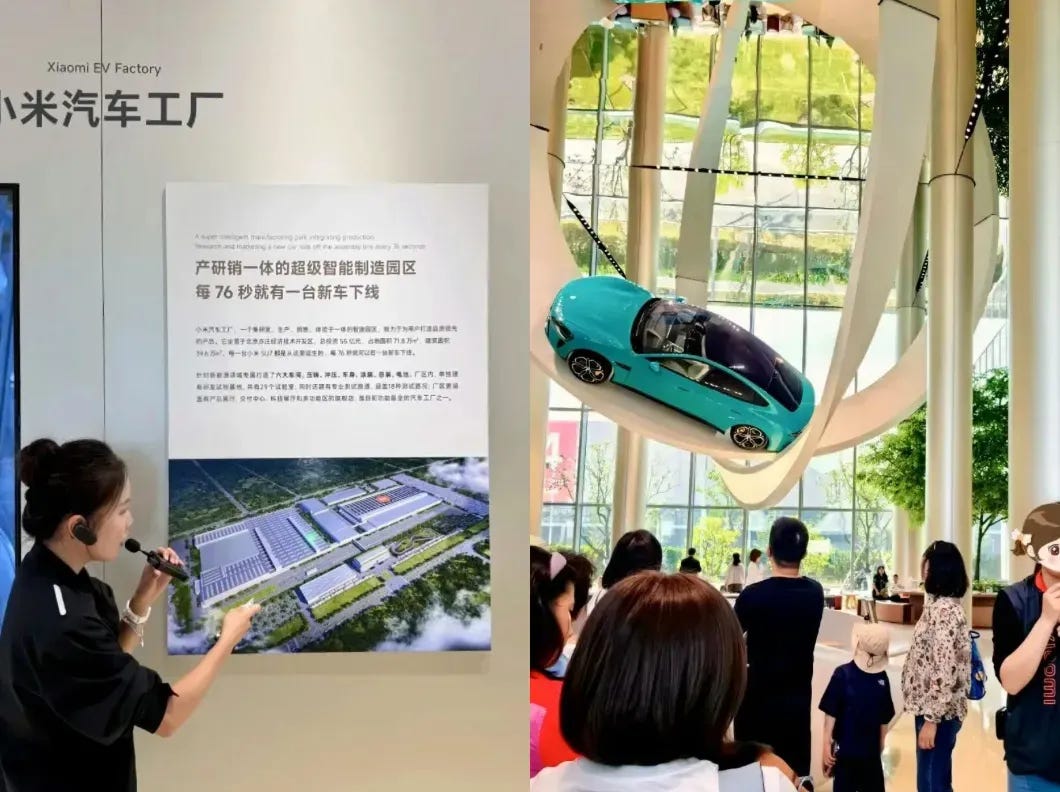
Compared with the old ways of taking kids camping in the park or visiting amusement parks, the latest trend in outings is to head to a car factory for a full tech-education experience. That said, getting a free ticket for the tour isn’t exactly easy.
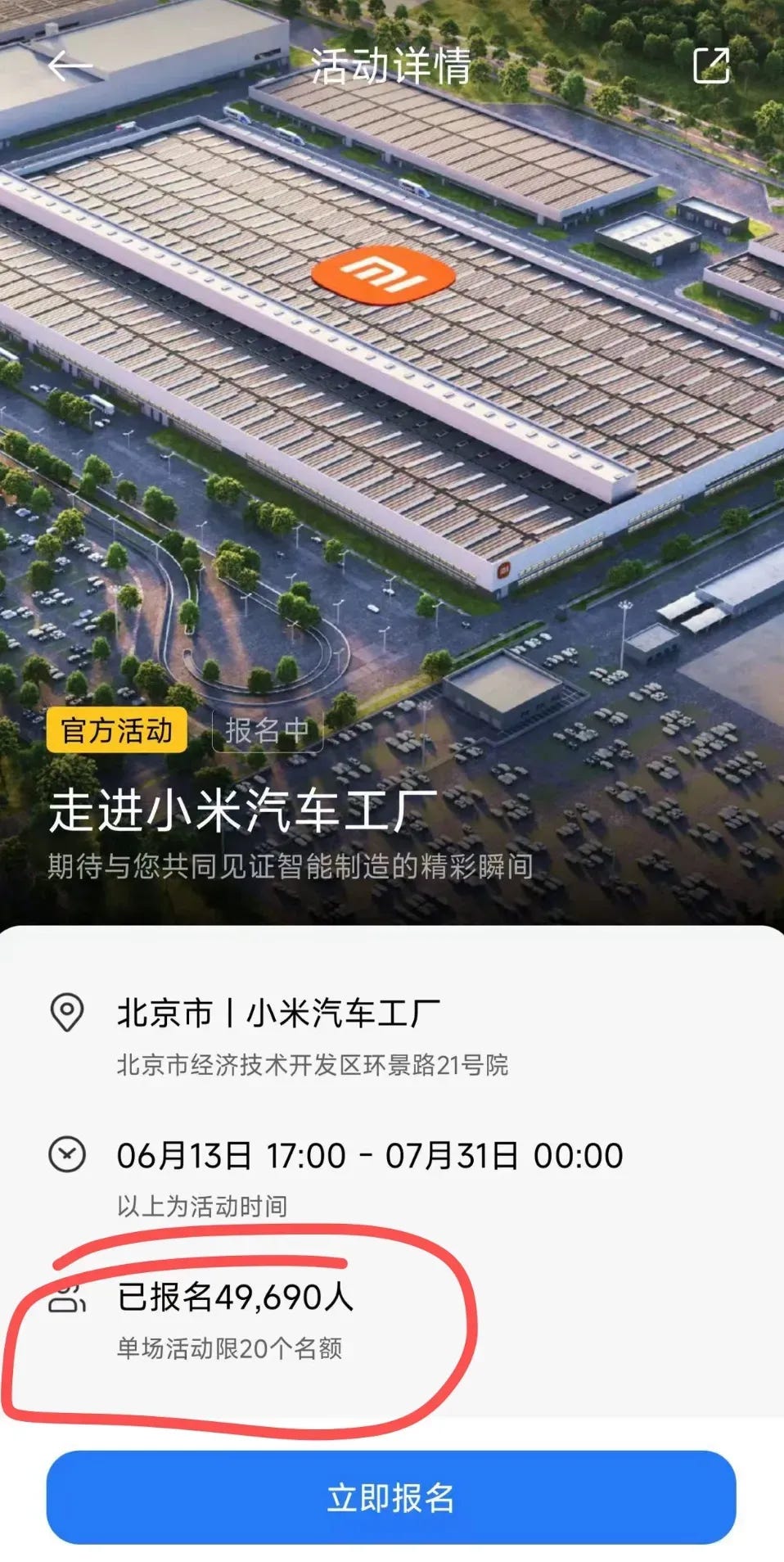
For instance, Xiaomi operates a randomized lottery system for its factory tours. At one point, the acceptance rate for a single session dipped to just 0.4%. On secondhand platforms, scalpers were flipping reserved spots for thousands of yuan — and still couldn’t keep up with demand.
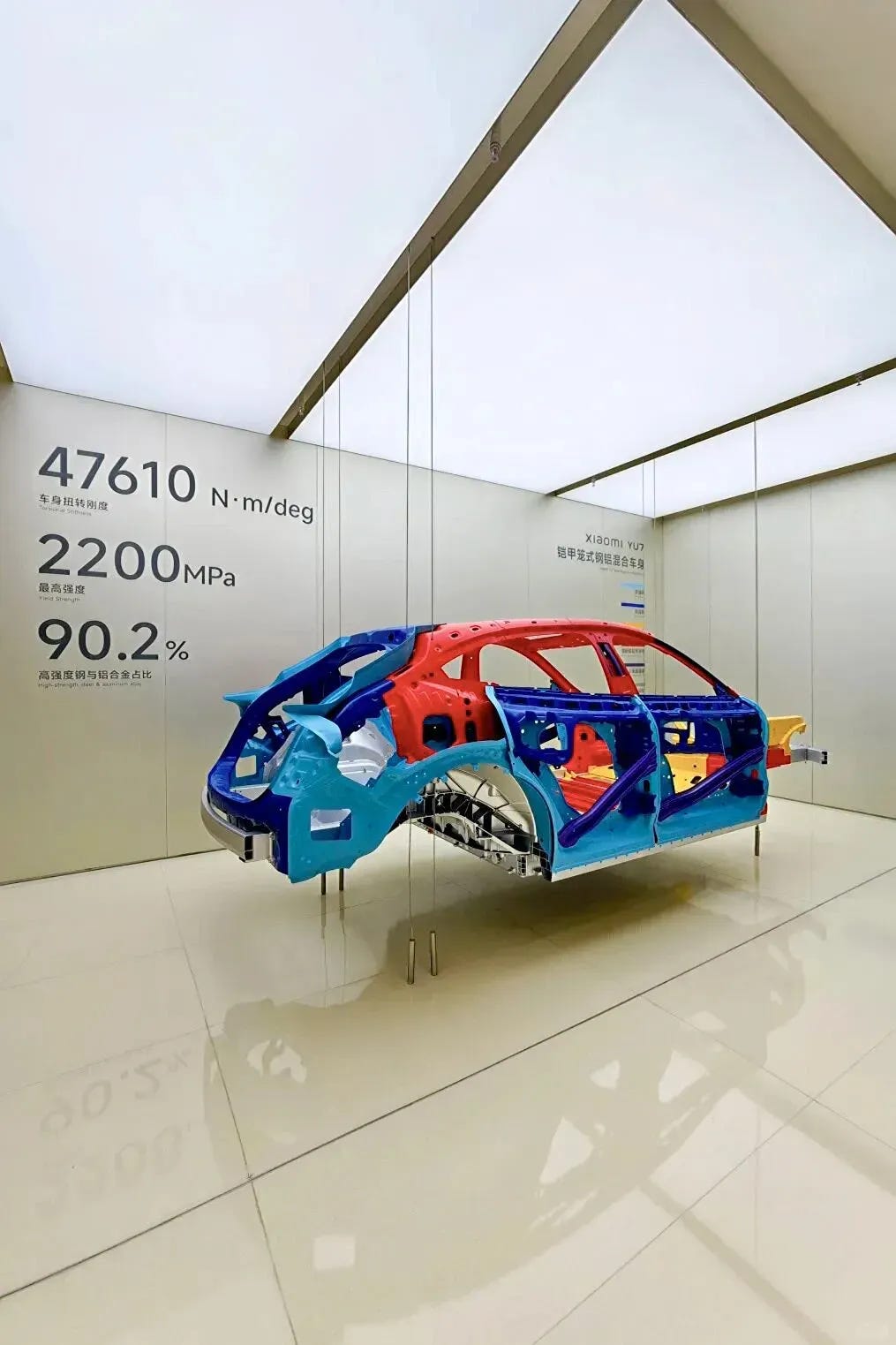
Xie Lei lives far from the factory, but told Yan Caijing she was lucky — she got in on her very first attempt. Last October, she drove nearly 60 kilometers with her son. ‘He’s really into cars, and watching the production line blew his mind. But honestly, what he remembered most was the cars in the showroom,’ she said.
There are many parents just like Xie Lei.
More importantly, this isn’t just an urgent need for parents—it’s also a clear indication that car brands understand China’s middle-class families inside out.
Parents focused on education are being targeted by scalpers
“I was amazed to see so many robotic arms working together in such an orderly way,” said Li Qinqin after visiting Xiaomi’s factory.
Her family of three won the lottery for a visit in January 2026. At the time, temperatures in Beijing were below minus ten degrees Celsius, but she told Yan Caijing that the chill was “totally worth it.”
“When I was a child, we didn’t have the chance to visit factories. Now I can learn alongside my own child,” Li Qinqin said. During the visit, her family even sampled trendy treats like yogurt-coated mahua (fried dough twists) in the cafeteria. The whole experience, she added, was “fun for the kids and beneficial for their physical and mental development from an educational perspective.”
According to publicly available information, the typical factory visit process goes like this: touring the showroom, walking through the production line, participating in test drives, and finally doing DIY car models or making souvenirs. Some companies even open their cafeterias for visitors to sample meals.
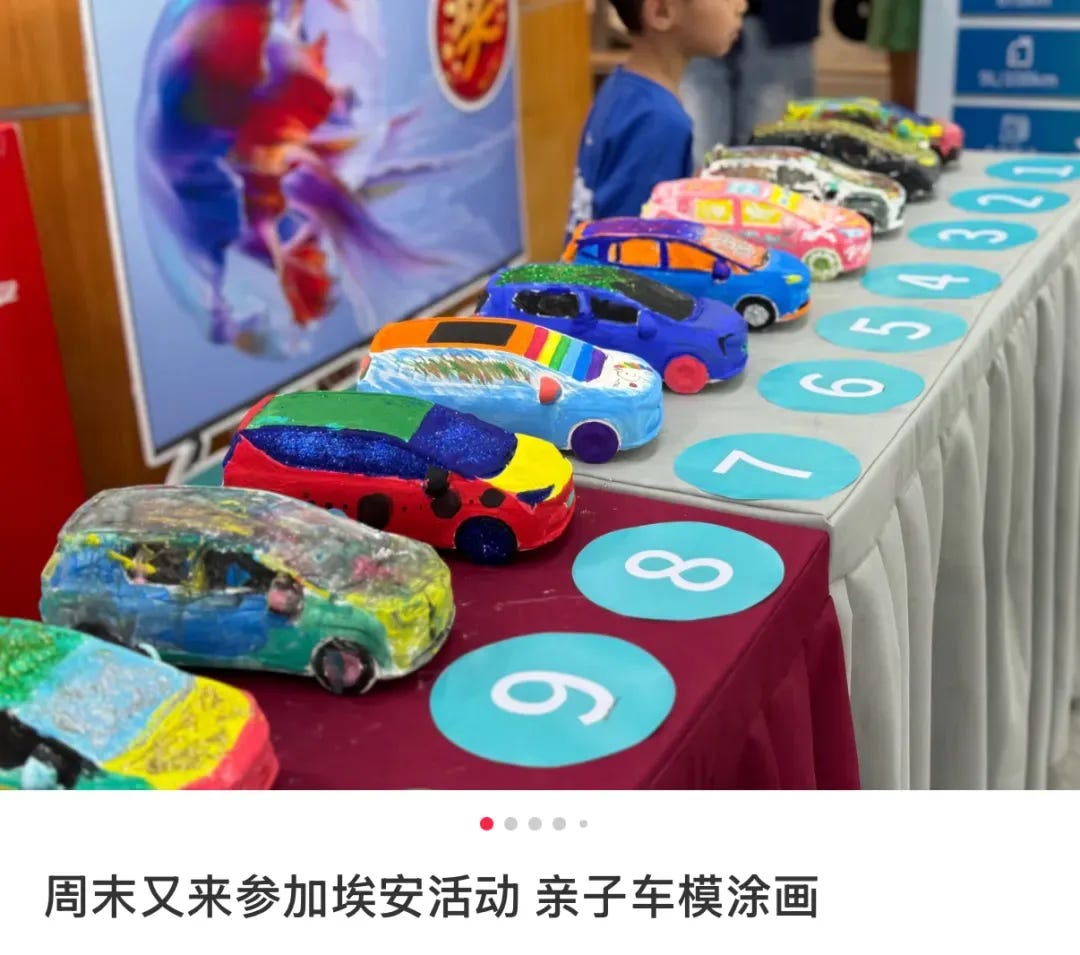
In fact, most factory tours follow a similar schedule with relatively fixed content. But with the packaging by educational institutions and intermediaries, these visits have become part of spring or weekend study programs. After the visit, students often receive certificates, “guiding them to understand innovation and craftsmanship.”
With the emphasis on mechanical and technological terminology, parental expectations are rising. Middle-class parents often say, “Our children have been interested in cars from an early age,” and taking them to a frontline production line is undoubtedly the closest path to realizing that dream. Checking into showrooms and company cafeterias has become a must-share experience on social media.
Xie Lei and Li Qinqin are part of this factory-visit trend, and their shared trait is luck—they only needed one or two attempts to win a free spot in the lottery.
On the market, most factory tours have a clear price. For example, one educational intermediary lists a visit to Guangzhou Dongfeng Nissan’s factory at 318 yuan for one adult and one child, with an additional 200 yuan for each extra child. Some companies allow owners to redeem points via an app for visit privileges, such as NIO.
The most popular factory visit is Xiaomi’s.
Since Lei Jun (Xiaomi’s CEO) announced in January last year that the car factory would open for public bookings, slots have been in high demand. Initially, Xiaomi only offered tours about ten days per month, but as popularity grew, a session limited to 20 participants attracted 4,600 applicants. Xiaomi then gradually increased the number of sessions. Data shows that last year, the Yizhuang factory (Beijing) hosted 130,000 visitors for tours and experiences.
Currently, Xiaomi’s booking page shows 27 days open for visits in March 2026. Even with more sessions, securing a slot requires booking at least a week in advance.
Visiting a car factory has become a “knowledgeable” alternative to amusement parks or historical towns, serving as premium social media content for middle-class families. The scarcity of tickets has turned them into social currency, giving rise to a scalper market.
Since the opening of public bookings, scalpers selling tickets are easy to find. Yan Caijing reporters found second-hand platforms where tickets for a specific date were priced from 100 to 1,000 yuan, with sellers insisting “no discounts.”
Not all factory visits have been universally praised.
Xie Lei told Yan Caijing that her experience had flaws. “The main issue is that factories are usually in remote locations. Although it’s educational, the actual content is limited, and travel takes up too much time. If these parent-child factory trips could combine tours with hands-on activities and nearby amusement options, that would be ideal.”
She also noted the cost: “Comprehensive factory trips are expensive, and for what you get, the value isn’t always high. Xiaomi’s tours, being free, are short and limited in activities.”
Amid expectations and fantasies, China’s middle-class parents are embarking on a “tech journey” that is, in essence, a high-value educational and social investment.
Factory tours as marketing
Free lotteries, limited attendance, and deliberate scarcity—car companies have turned factory visits into a phenomenon comparable to securing Spring Festival train tickets. On the surface, it appears to be an educational and social event for families, but in reality, it’s a carefully designed marketing strategy.
Touring the factory—listening to staff, learning brand history, participating in test drives—is similar to visiting a dealership. The goal is the same: to deepen visitors’ understanding of a new brand.
Even if attending families don’t immediately become buyers, seeing cars assembled in person is far more emotionally persuasive than flashy advertising that claims “a car rolls off the line every 57 seconds.” Production lines have become premium-brand advertising at a lower customer-acquisition cost.
On social media, some users reported that a factory visit influenced their choice of next car, while some parents hoped their children would aspire to work in high-tech industries or join new-energy car companies.
The visits are often designed as parent-child trips, making modern factories both educational spaces and experiential environments that inspire dreams, consumption, and decision-making.
International car companies also use factory tours as incentives.
In 2024, Tesla ran two promotions in China: new owners could win a trip to its Fremont factory, including airfare and accommodation, or, through an official trade-in service, visit the Shanghai factory (limited to ten spots). Following the second promotion, Tesla’s December 2024 sales in China rose 12.8% year-on-year, hitting a monthly record.
Selling cars today is no longer just a service—it’s a craft. Opening factory doors aligns with evolving marketing strategies and societal trends. Visiting production lines is no longer a novelty—it’s a way to experience national industrial progress.
At the national level, factory tours have received strong support. The Ministry of Industry and Information Technology proposed creating model industrial tourism bases and routes, integrating industrial heritage and smart factories into regional tourism.
“Industrial tourism” should hold a significant place in China, given that globally it accounts for 10–15% of total tourism revenue, while in China it is less than 5%, showing room for growth.
China’s advantage lies in its comprehensive industrial system. Whereas industrial tourism used to focus on heritage sites, now visitors seek interactive experiences with industrial culture.
On the other hand, factories also create more opportunities to engage directly with consumers.
In fact, the earliest companies to offer factory tours were car manufacturers. After the 1920s, France’s Citroën became the first to invite consumers and visitors into its factories to witness the entire assembly process. At the time, Citroën adopted the assembly line model from the United States’ Ford Motor Company, streamlining production rhythm and efficiency. This novel, live “reality-show” experience greatly satisfied the French public’s curiosity.
Founder André Citroën realized that opening factories to visitors was a powerful marketing tool, turning industrial production into a public spectacle.
If consumers’ interest lies in seeing closed, mysterious workshops, what do car companies seek? They aim to create a system of engagement and communication akin to a private marketing ecosystem.
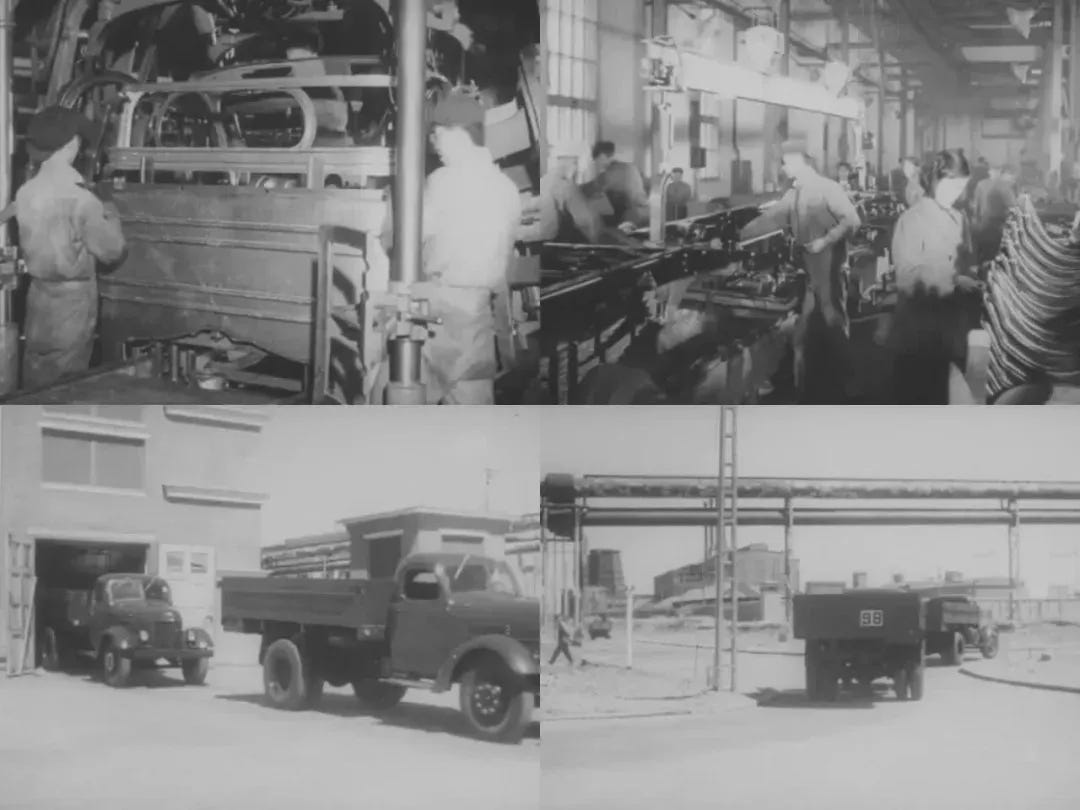
This sense of novelty encourages users to share, check in, and participate in follow-up activities, capturing the most valuable commodity: consumer attention. Whether through user communities, points redemption with new energy car brands, or group bookings and paid visits with traditional automakers, the common goal is to make consumers feel “this car is relevant to me.”
Today, for new brands and models to stand out, strong product quality alone is no longer enough. Transforming purchasing potential into “emotional value” has become a crucial step for the automotive industry to capture existing market demand.
After visiting a factory, what people remember aren’t dry technical terms, but tangible experiences: “the cafeteria where my child and I ate,” “the car part we touched,” “the assembly line we saw.” These real, sensory interactions directly influence decision-making.
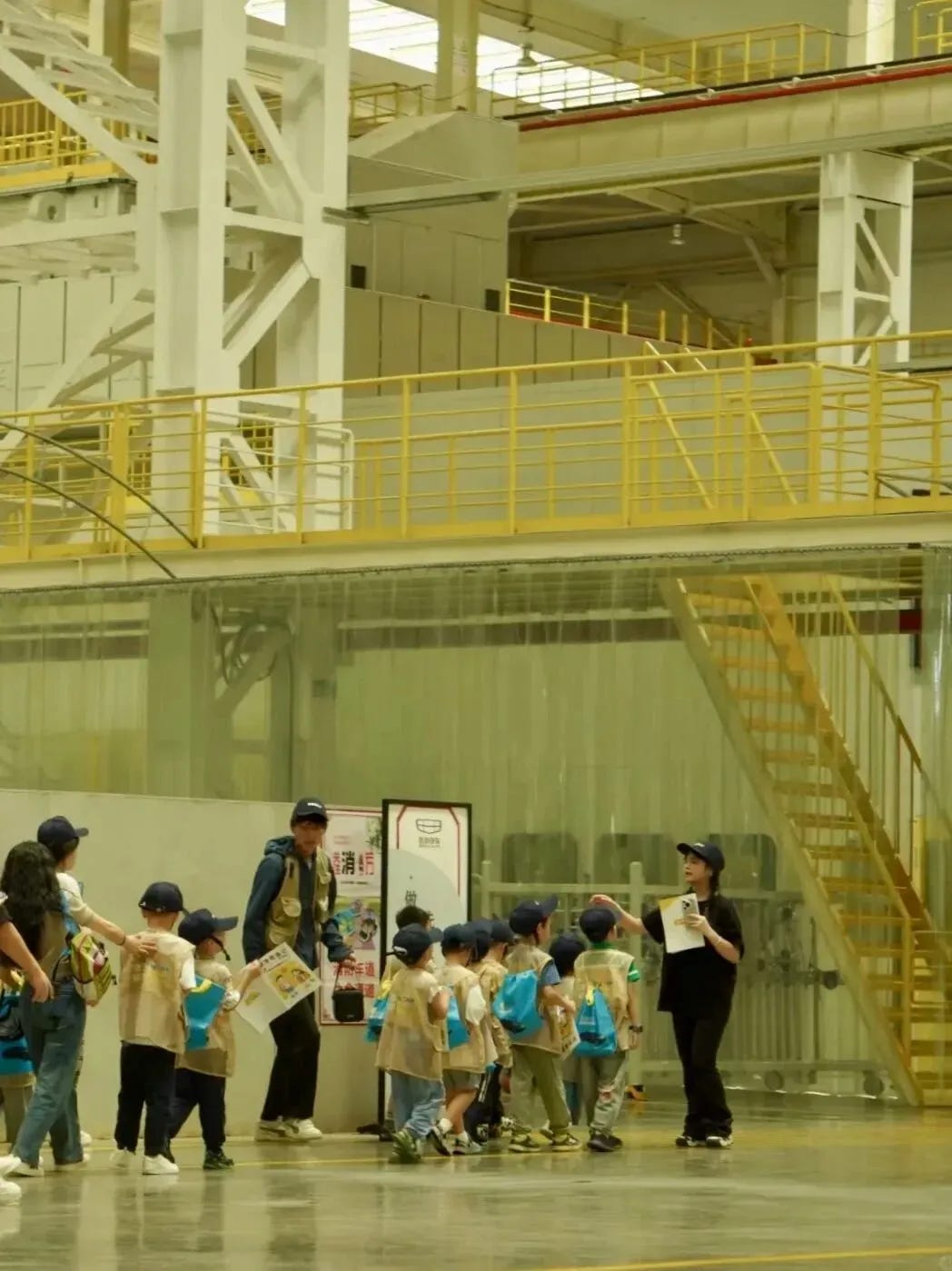
Moreover, families who can send their children to a factory “study tour” are far from ordinary. These families usually have the economic means, time, and educational awareness to invest in their children’s tech education—and are even willing to pay scalpers’ premiums. Their consumption potential and brand loyalty far exceed that of average households.
By opening factories for free, car companies not only precisely target this high-value segment but also create a subtle form of “class-based loyalty.”
(Interviewees’ names have been changed at their request.)


Funny. Yesterday we visited TGOOD in Qingdao. Most people never have heard of them.
They make all the big things in electricity.
Substations, transformers, bus charging stations, and automated parking in high-rise buildings. And they showed a 4D movie where you completely lived all their applications in daily life where the EV's are part of the national grid. And they also organize school tours. Amazing.